
What Causes Dark Circles Under Your Eyes?
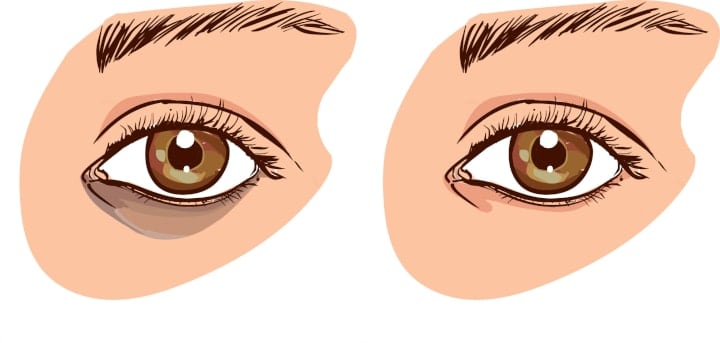
Bruises. Bags. “Raccoon eyes.” Dark circles under the eyes are among the most common beauty complaints and among the most misunderstood. Many people blame them on a lack of sleep alone. Sleep matters, but it is only one piece of the puzzle.
Dark circles can come from thin skin, visible blood vessels, allergies, pigmentation, puffiness, aging, genetics, and the shape of the under-eye area. In some people, the darkness is an actual pigment in the skin. In others, it is a shadow from a hollow tear trough. Some people have swelling under the eyes, which creates a darker-looking line beneath the puffiness.
That is why one treatment does not work for everyone. The best answer starts with the cause. Once you know what is creating the darkness, it becomes easier to choose the right routine, product, or professional treatment.
Common Causes of Dark Circles Under Your Eyes
Dark circles are not always bruises. They can look like bruises, especially when they have a blue, purple, or gray tone, but the cause is not always broken blood vessels. Under-eye darkness can result from several changes in the skin and surrounding tissues.
Some causes are temporary. A poor night of sleep, dehydration, allergies, or sinus congestion can make the area look worse for a few days. Other causes are long-term. Genetics, natural pigmentation, and facial structure can make dark circles visible even when you are rested and healthy.
Sleep Duration and Sleep Quality
Poor sleep is the most obvious cause people think of first. When you do not get enough sleep, the skin can look dull and pale. That contrast makes the under-eye area appear darker.
Sleep also affects puffiness. Fluid can collect below the eyes overnight, especially after salty food, alcohol, or a late night. That puffiness can cast a shadow, which makes the area look darker even when the skin itself has not changed color.
Better sleep can help. Try to keep a regular bedtime. Avoid heavy meals, alcohol, nicotine, and bright screens close to bedtime. A steady sleep routine gives the body more time to recover and helps the face look less tired in the morning.
Still, sleep is not a cure for every case. If your circles are caused by pigmentation, deep tear troughs, allergies, or an inherited under-eye structure, getting more sleep will help you look fresher, but it will not completely erase the darkness.
Sleeping Position
Your sleeping position can affect puffiness under the eyes. When you sleep flat, fluid can settle around the lower eyelids. That makes bags and shadows more noticeable when you wake up.
Sleeping with your head slightly elevated can reduce morning puffiness. Use an extra pillow or raise the head of your bed a little. This is most helpful for people who wake up with swollen eyes that improve during the day.
Sleeping on your stomach can also create pressure around the eyes. That pressure can worsen swelling and irritation. A side or back position with the head elevated is usually better for puffiness.
Allergies and Sinus Congestion
Allergies are a major cause of dark under-eye circles. They can create what many people call allergic shiners. These circles often look blue, purple, gray, or brown. They happen when nasal congestion affects blood flow around the sinuses and the under-eye area.
Allergies also cause itching and rubbing. Rubbing the eyes can irritate the delicate skin and worsen discoloration. For people with deeper skin tones, irritation can leave behind post-inflammatory pigmentation. For lighter skin tones, irritation can make redness and visible veins stand out more.
Pollen, dust mites, mold, pet dander, and certain skin care products can all trigger the problem. If your dark circles get worse during allergy season, allergy control should come before stronger eye creams.
Cold compresses can calm puffiness. Gentle moisturizers can support the skin barrier. Allergy medication can help when nasal symptoms are part of the problem, but speak with a healthcare provider if symptoms keep coming back.
Hyperpigmentation and Sun Exposure
Some dark circles are caused by extra pigment. These circles often look brown or gray-brown. They are more common in people with deeper skin tones, but any skin tone can develop under-eye pigmentation.
Sun exposure can make this worse. UV light can trigger melanin production, and melanin is the pigment that gives skin its color. When the under-eye area produces more melanin, the circles can become darker and harder to fade.
This is where dark circles and hyperpigmentation become important. Pigment-related circles need a different plan from blue-toned circles caused by thin skin or puffiness.
Daily sunscreen helps prevent discoloration from worsening. Sunglasses help too because they reduce UV exposure and cut down on squinting. If the under-eye area is sensitive, choose a gentle sunscreen that does not sting or run into the eyes.
Aging and Thinner Skin
Aging changes the under-eye area in several ways. Skin becomes thinner. Collagen support declines. The fat pads around the eyes can shift. The tear trough can become deeper. These changes can make shadows and puffiness more visible.
Thin skin also makes blood vessels more visible. This can create a blue or purple tone under the eyes. When fine lines and dryness appear at the same time, the area can look darker and more tired.
Skin care can help with texture and hydration. Ingredients such as hyaluronic acid, peptides, and gentle retinoids are often used to support smoother-looking under-eye skin. They will not rebuild facial structure, but they can improve dryness, crepiness, and dullness.
For deeper hollows or loose skin, topical products have limits. Some people look into dark circles surgery or in-office treatments when creams do not address the structure causing the shadow.
Genetics and Facial Structure
Some people are born with under-eye darkness. If dark circles run in your family, they can appear early in life. They can also stay visible no matter how much sleep you get.
Genetics can affect skin thickness, pigment, bone structure, and the natural depth of the tear trough. Deep-set eyes can create shadows under the lower lid. Thin skin can make vessels more visible. Natural pigmentation can make the area look darker than the rest of the face.
This type of dark circle is harder to correct with simple lifestyle changes. A good routine can still help. Sunscreen, gentle moisturizers, allergy control, and careful product use can help keep the area from worsening.
Dehydration and General Health
Dehydration can make the under-eye area look dull and sunken. When the skin lacks enough water, fine lines look sharper and shadows become more obvious.
General health also affects the way your skin looks. Poor nutrition, smoking, heavy alcohol use, and chronic stress can all make the face look tired. These habits do not always directly cause dark circles, but they can make existing ones more visible.
A balanced diet supports healthy-looking skin. Focus on protein, iron-rich foods, leafy greens, fruit, and enough water. If you suspect anemia or another deficiency, ask a healthcare provider about testing instead of guessing.
Vitamin K products are sometimes marketed for under-eye discoloration, and vitamin K dark-circle formulas often target people seeking a topical option. Still, the product should match the cause of the darkness.
Skin Irritation and Rubbing
The skin around the eyes is thin. It gets irritated quickly. Harsh cleansers, strong exfoliants, fragrance, rough makeup removal, and overusing active ingredients can all make the area look worse.
Rubbing is especially damaging. It can create inflammation, swelling, and post-inflammatory discoloration. If your eyes itch often, the answer is usually to treat the irritation or allergy, not to scrub harder or apply more concealer.
Remove makeup gently. Press makeup remover over the lids and under-eye area for a few seconds, then wipe lightly. Do not tug. If an eye cream burns or stings, stop using it. Irritated skin often looks darker, not brighter.
Want Solutions for Dark Circles Under Your Eyes?
The best plan for getting rid of dark circles starts with identifying the type of darkness you have. Brown circles usually point toward pigmentation. Blue or purple circles often point toward thin skin or visible vessels. Puffy circles often point to fluid retention, allergies, sleep, or salt intake. Hollow circles usually point toward facial structure or age-related volume loss.
For pigment, sunscreen is the first step. Brightening ingredients can help over time. Some people look into hydroquinone for dark circles, but the eye area is delicate, so stronger pigment treatments should be used with professional guidance.
For puffiness, focus on sleep, head elevation, allergy control, hydration, and cold compresses. Caffeine eye products can give a temporary tightening effect. They do not fix every cause.
For thin skin and fine lines, hydration and barrier support matter. A gentle eye cream can soften dryness and improve the look of crepey skin. Retinoids can help texture, but they must be used carefully around the eyes.
For makeup, color correction works better than piling on thick concealer. Peach and orange tones can soften blue or purple circles. A light layer of powder can help prevent creasing, and baking your makeup can make concealer last longer when used lightly.
How to Choose a Dark Circle Product
A dark circle product should match the problem you are trying to fix. Hydrating creams work best for dryness and fine lines. Brightening products work best for pigment. Cooling gels work best for puffiness. Firming products can improve the look of thin, loose, or crepey skin.
The wrong product can irritate the area and worsen the darkness. Avoid heavy fragrance, harsh acids, and products that sting. Strong does not always mean better around the eyes.
A practical approach to picking an eye cream for dark circles starts with color, texture, puffiness, and sensitivity. Once you know which issue is most visible, it becomes easier to choose ingredients that fit.
Some people also compare the best dark circle treatments when they want a broader look at creams, gels, and targeted under-eye products. The most useful products are the ones that address your actual cause, not just the ones with the boldest claims.
When to See a Dermatologist
Most dark circles are harmless. Still, a dermatologist can help if they appear suddenly, affect only one eye, come with swelling or pain, or do not improve with basic care.
A dermatologist can distinguish among pigment, visible vessels, allergy-related swelling, hollowing, and loose skin. That matters because each cause needs a different treatment.
Dark circles are common, but they are not all the same. Once you understand the cause, you can stop treating every shadow like a sleep problem and start choosing solutions that fit the skin under your eyes.


