
×

Acnepril Review

Advertising Disclosure image
Editor Rating:
3.6 / 5.0
Rating: 3.6/5.
image
Fact Checked
Updated at Jun 07, 2026
image
By Michelle Green

IN THIS REVIEW

Benefits

Supports clearer-looking skin from the inside.

Contains botanical extracts, probiotics, and skin-focused nutrients.

Helps support the body’s normal cleansing and digestive processes.

May support people dealing with recurring breakouts tied to oiliness, stress, diet, or hormonal changes.

All data for this product review has been collected from independent tests of Acnepril. Individual results may vary and specific results are not guaranteed. All information herein is, to the best of our knowledge, accurate at the time of publication.

Featured Ingredients

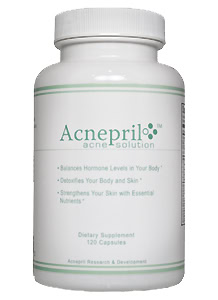
Acnepril is different from most acne products because it comes in capsule form. Instead of drying existing blemishes on the surface, it is designed to support the body internally.

The original product claims highlight vitamin A, vitamin C, biotin, vitamin B5, and green tea. Those ingredients are often discussed in skin health because they connect to cell turnover, immune function, oil balance, and inflammation. Still, the full ingredient list provided for Acnepril does not clearly list those same ingredients by name, so the formula should be judged mainly by the full list below.

For a full list of ingredients click here.

Idebenone, Apple Cider Vinegar, Licorice Root, MSM, Dandelion Root, Witch Hazel, Lemon Grass, Glucosamine, Milk Thistle, Noni, Mangosteen, White Willow, Turmeric, Lactobacillus Acidophilus, Açai, Alfalfa, Barley, Buckwheat, Cayenne Pepper, Flaxseed, Garlic, Soy, Wheat Grass, Boswellin PE 65%, Magnesium Stearate, and Vegetable Capsule.

This is a broad supplement formula. It includes antioxidant ingredients, digestive support ingredients, herbs, probiotics, and plant extracts. It does not work like a topical acne cream with benzoyl peroxide, salicylic acid, or retinoids. That makes it better to think of Acnepril as a support product, not as a direct replacement for proven acne fighting ingredients.

Side Effects and Directions

Acnepril does not cause the same surface dryness that many topical acne products can cause. It does not sit on the skin, so users should not expect peeling, stinging, or redness in the same way they might with a strong acne cream.

That does not mean the product has no safety concerns. Acnepril is a supplement with many active botanicals. Some ingredients can interact with medications or irritate the stomach. White willow, garlic, turmeric, licorice root, and cayenne pepper deserve extra caution, especially for people who take blood thinners, blood pressure medication, diabetes medication, or other daily prescriptions.

The original directions say to take two pills with 12 ounces of water 30 minutes before meals, two to three times daily. That equals four to six capsules per day. Anyone using other supplements should compare labels carefully to avoid doubling up on the same herbs or nutrients.

Pregnant or breastfeeding users should speak with a doctor before using Acnepril. People with liver disease, kidney disease, bleeding disorders, stomach ulcers, hormone-sensitive conditions, or a history of reactions to herbal products should also get medical guidance first.

In-Depth Review

Acnepril is an over-the-counter acne supplement. It takes a different approach from cleansers, spot treatments, serums, and creams. Instead of treating the skin from the outside, Acnepril claims to support the body internally so breakouts become less frequent over time.

That idea sounds appealing, especially for people who feel stuck in a cycle of treating the same pimples again and again. Acne often forms when oil, dead skin cells, bacteria, and inflammation build inside the pore. Hormonal shifts can also increase sebum, which is why acne often changes during puberty, menstrual cycles, stress, pregnancy, and adulthood.

Acnepril’s angle is internal support. The formula includes ingredients often linked with digestion, liver support, antioxidants, inflammation, and general wellness. Milk thistle, dandelion root, turmeric, boswellia, apple cider vinegar, Lactobacillus acidophilus, and green plant extracts all fit that theme.

The challenge is proof. Acnepril’s formula is broad, but broad does not always mean stronger. Acne supplements often contain many ingredients, yet the evidence behind each ingredient can vary. Some have early research. Some are used traditionally. Some support general health but do not have strong acne-specific proof.

This matters because acne is not simply caused by “toxins.” The skin does not break out because the body is dirty inside. Acne is a real skin condition involving oil production, clogged pores, bacteria, inflammation, hormones, and genetics. The best results usually come from matching the treatment to the kinds of acne present on the skin.

For example, blackheads and whiteheads need pore-clearing ingredients. Red pimples often need anti-inflammatory and antibacterial support. Deep cystic acne usually needs a dermatologist. A supplement alone is less likely to handle painful, scarring, or severe acne.

Acnepril may make more sense for mild, recurring breakouts where the user wants internal support alongside a topical routine. It is less convincing as a stand-alone solution for inflamed acne, cysts, or acne that has already started leaving marks.

Who Acnepril Is Best For

Acnepril is best for people who want an internal support product to use with a basic acne routine. It fits users who already cleanse gently, avoid pore-clogging products, and still deal with recurring breakouts.

It may also appeal to adults who suspect stress, diet, digestion, or hormonal changes play a role in their breakouts. Adult acne can be frustrating because it often comes back in the same areas, especially around the jawline, chin, cheeks, and lower face.

Younger users should be more careful. Teen breakouts are common, and many respond better to proven topical routines than to complicated supplement formulas. Parents comparing options for teenage acne should look at severity, skin sensitivity, and safety before adding oral supplements.

Acnepril is not the best choice for severe acne, painful cysts, fast-spreading breakouts, or acne that scars. Those cases need medical advice. Waiting too long can lead to marks that are harder to treat later.

It is also not ideal for people who already take multiple supplements or medications. The formula has many herbs, and that increases the chance of overlap or interaction.

How to Use Acnepril for Best Results

Follow the label directions unless a healthcare provider gives different advice. The original directions recommend two capsules with 12 ounces of water 30 minutes before meals, two to three times daily.

Start slowly if your stomach is sensitive. A formula with apple cider vinegar, cayenne pepper, garlic, white willow, and multiple herbs can feel harsh for some people. Stop use if you notice stomach pain, rash, dizziness, unusual bruising, swelling, or any other concerning reaction.

Do not use Acnepril as your only acne step if you already have active pimples. Supplements take time, and they do not unclog pores directly. A gentle cleanser, non-comedogenic moisturizer, sunscreen, and a proven topical ingredient can do more for existing blemishes.

This is where Acnepril’s role becomes clearer. It can sit beside topical products, but it should not replace them. People comparing Acnepril with a complete topical system like the Clear Pores system should understand the difference. One is an internal supplement. The other is built around direct acne treatment steps.

Give any acne routine enough time to work. Most acne products need several weeks before results become clear. Switching too often can irritate the skin and make it harder to know what helped.

How Acnepril Compares to Topical Acne Products

Acnepril does not work like a spot treatment. It does not dry a pimple overnight. It does not exfoliate inside the pore. It does not kill acne-causing bacteria on the skin surface.

Topical acne products usually work more directly. Salicylic acid helps clear clogged pores. Benzoyl peroxide targets acne-causing bacteria. Retinoids help normalize cell turnover. Some systems combine several steps for clearer skin.

That makes Acnepril a different type of product. It belongs in the support category. It may help users who want to address acne from a broader wellness angle, but it should not be compared too closely with medicated creams.

A system like Murad Acne Complex focuses more on topical acne control. Exposed Skincare also sits closer to traditional acne treatment because it uses skin-applied products. Acnepril is more useful when compared with other capsules or supplement-style products.

The best choice depends on what the skin needs. A person with clogged pores and oily skin may need a pore-clearing routine. A person with red, inflamed breakouts may need antibacterial or anti-inflammatory treatment. A person with hormonal acne may need medical care. This is why choosing acne treatment should start with acne type, severity, and skin tolerance.

Is Acnepril Worth It?

Acnepril is worth considering as a support supplement for mild or recurring acne, especially for users who prefer an internal product and already have a sensible skin care routine.

Its biggest strength is convenience. Capsules are easy to add to a daily routine. The formula also includes several wellness-focused ingredients that support the product’s internal approach.

Its biggest weakness is evidence. Acnepril makes large claims about cleansing, hormone balance, sebum reduction, and preventing future acne. Those claims need stronger proof than the available public information provides. The ingredient list is interesting, but it does not prove that the product can correct acne at the root.

Acnepril is also not a fast fix. Existing blemishes still need direct care. Anyone with active breakouts will likely need a topical treatment alongside it. People comparing best acne treatment products should look closely at whether they need a supplement, a topical system, or a dermatologist-backed routine.

The final verdict is balanced. Acnepril may help some users as part of a broader acne plan. It should not be treated as a guaranteed solution, and it should not replace proven acne care for moderate, severe, painful, or scarring acne.

OUR BEST RATED PRODUCTS

Product
Rating
Overview
(5.0 / 5.0)
  • Reduces superficial acne and keeps deep acne from forming
  • Exfoliates to keep pores clear and blemish-free
(4.5 / 5.0)
  • Eliminates acne-causing bacteria
  • Formulated for sensitive skin to help keep pores clear
(4.3 / 5.0)
  • Designed by dermatologists
  • Visibly reduces acne in less than a week
(4.1 / 5.0)
  • Detoxifies while balancing hormones
  • Reduces deeper acne to prevent future breakouts
(3.6 / 5.0)
  • Reduces excess sebum production
  • Addresses the hormone imbalances that result in acne